


While glaucoma is often thought of as a condition affecting older adults, many people in Singapore may be overlooking an important connection with myopia, or nearsightedness. With over 80% of adults in the city experiencing myopia, it’s more than just an inconvenience—it may also increase the risk of glaucoma later in life. According to the National Eye Institute, around 57,800 Singaporeans aged 60 and above have glaucoma, a number expected to rise to 85,800 by 2040.
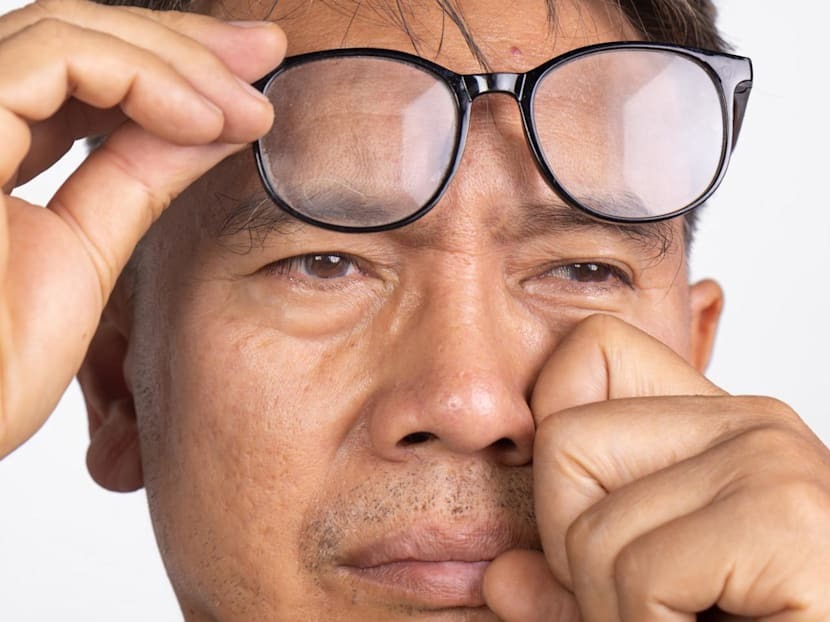
How Glaucoma Develops
Glaucoma occurs when fluid inside the eye, known as aqueous humour, is not drained efficiently. This builds pressure in the eyeball, which can damage the optic nerve and cause irreversible vision loss. There are two main types: open-angle and closed-angle glaucoma. Open-angle glaucoma often has no early symptoms, earning it the nickname “silent thief of sight,” while closed-angle glaucoma may present with severe eye pain, redness, blurred vision, headaches, or nausea.
The Myopia Connection
People with myopia, particularly severe myopia, are at higher risk. Myopic eyes are elongated, which can make the optic nerve more fragile and prone to damage even at lower pressures. Research suggests that severe myopia can increase lifetime glaucoma risk by two to three times. Additional risk factors include age, family history, diabetes, trauma, steroid use, and certain vascular or hormonal factors.
Vision Changes to Watch For
Glaucoma initially affects peripheral vision, often unnoticed by the patient. Over time, it can cause dim, tunnel-like vision, and in advanced stages, total blindness. Because this damage is irreversible, early detection is crucial.
Impact of LASIK and Corneal Implants
Common laser vision correction procedures like LASIK do not increase glaucoma risk. However, implantable collamer lenses (ICLs), used to correct severe myopia or astigmatism, may increase eye pressure in a small percentage of cases by affecting fluid drainage. ICLs themselves do not directly cause glaucoma but can alter eye dynamics in ways that raise risk.
Emerging Treatments
One innovative option is the PreserFlo MicroShunt, a tiny implant that helps reduce eye pressure by improving fluid outflow. Recent studies in Singapore have shown that many patients achieve significant pressure reduction, often decreasing reliance on medicated eye drops. While surgery cannot reverse optic nerve damage, it can preserve remaining vision and reduce treatment burden.
Other treatments include eye drops, which remain the first-line approach, and laser procedures such as selective laser trabeculoplasty (SLT) or laser iridotomy. These treatments are effective in controlling pressure, though repeated interventions may be needed over time.
Prevention and Risk Management
Even in your 40s and beyond, there are steps to reduce glaucoma risk:
Regular Eye Exams: Comprehensive exams every one to two years, including eye pressure and optic nerve checks, are key. Those with higher risk factors may need more frequent screenings.
Know Your Risk Factors: Severe myopia, family history, diabetes, high eye pressure, and steroid use can all increase risk.
Maintain Overall Health: Managing blood pressure, blood sugar, and general wellness can help protect eye health.
Protect Your Eyes: Use protective eyewear during sports or activities that could cause injury.
Understanding the link between myopia and glaucoma is the first step to safeguarding your vision. Early detection, careful monitoring, and proactive management can help maintain eye health well into your later years.


